



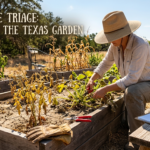


For years, my spring and autumn sowing routines followed a predictable, frustrating rhythm. I would pull stacked thermoplastic plug trays and cell packs out of storage, only to watch them crack, warp, and crumble under the sun. This season, I drew a line in the sand. I am moving away from single-use petroleum design and transitioning to a regenerative, sustainable, and highly resilient propagation infrastructure.
The Hidden Cost of Thermoplastic Dependability
Standard vacuum-molded thermoplastic pots and trays are the default standard of modern horticulture. They are cheap, lightweight, and sterile out of the box. However, they carry a hidden logistical and environmental tax: an incredibly brief lifespan. Within twelve to eighteen months, exposure to ultraviolet radiation and thermal cycling renders them brittle.
Every season, dozens of cracked trays and deformed pots wound up in the refuse pile. Beyond the constant replacement cost, managing a mountain of unstable, crumbling plastic became a logistical headache. It felt entirely antithetical to the spirit of raising clean vegetables, aromatic herbs, and native ornamentals.
Enter Timber Flats: Built for a Decade
To replace the flimsy plastic propagation flats, I have shifted germination entirely to heavy-duty wooden flats. Built from durable, scrap and new lumber, these shallow open boxes are designed to withstand structural wear for a decade or more.
The operational shift is profound. Wooden flats provide superior thermal insulation for delicate root zones, protecting germinating seeds from sharp ambient temperature swings. Their structural rigidity allows for secure, double-handed handling without the terrifying “tray twist” that frequently spills media and ruins fragile seedlings in thin plastic inserts. When a wooden flat reaches the end of its useful life years down the road, it can be disassembled, composted, or returned to the soil, leaving zero trace behind.
Logistical Breakdown: The Timber Advantage
- Structural Integrity: No bowing or buckling under the weight of wet propagation media.
- Thermal Stability: Thick timber walls insulate soil mix, smoothing out sharp daytime temperature spikes.
- Zero Waste Lifecycle: Constructed from natural timber, eliminating microplastic contamination from the nursery environment.
Potting Up Responsibly with Coco Coir
Once seeds have successfully germinated and established their true leaves in the timber flats, they need to be stepped up. Instead of reaching for traditional plastic 4-inch pots, I am utilizing pots pressed from natural coconut coir—a byproduct of the coconut harvesting industry.
The advantages of coco coir pots extend far beyond their biodegradable nature:
- Air-Pruning Root Systems: In a plastic pot, roots strike the impervious wall and begin to circling, becoming root-bound and structurally compromised. In contrast, coir walls are fibrous and breathable. When a root reaches the edge, it is exposed to air, naturally stopping its forward growth and stimulating the plant to throw out a dense network of secondary feeder roots.
- Elimination of Transplant Shock: This is the ultimate operational victory. Instead of squeezing, tapping, and pulling a delicate root ball out of a plastic home—risking root tearing and soil desiccation—the entire coco coir pot is placed directly into the ground or a larger landscape vessel. The roots grow unimpeded straight through the porous walls as the fiber safely breaks down in the surrounding soil.
Operational Comparison
| Operational Metric | Legacy Thermoplastic Method | Sustainable Timber & Coir Method |
| Expected Lifespan | 1–2 Seasons (cracks easily) | 10+ Years (Timber flats); Biocompatible (Coir) |
| Root Architecture | Circling, root-bound tendencies | Natural air-pruning, dense lateral roots |
| Transplant Process | Manual extraction, high risk of shock | Direct burial, zero root disruption |
| Disposal Footprint | Landfill-bound degraded plastic | Compostable timber, biodegradable fiber |
Adjusting the Workflow
Adopting this sustainable workflow does require subtle operational changes. Open wood flats require a slightly different watering cadence than non-porous plastic, and coir pots dry out faster due to their excellent breathability. But these minor adjustments are a small price to pay for a cleaner, tougher, and significantly more organized nursery ecosystem.
Stepping away from the throwaway culture of modern horticulture isn’t just an ecological win—it’s a massive step forward in structural efficiency, plant health, and visual craftsmanship.